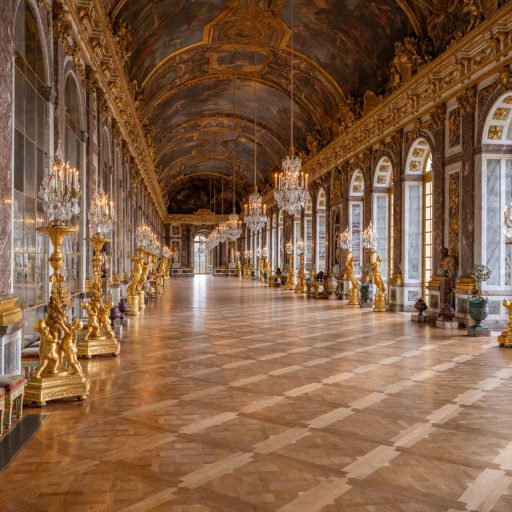
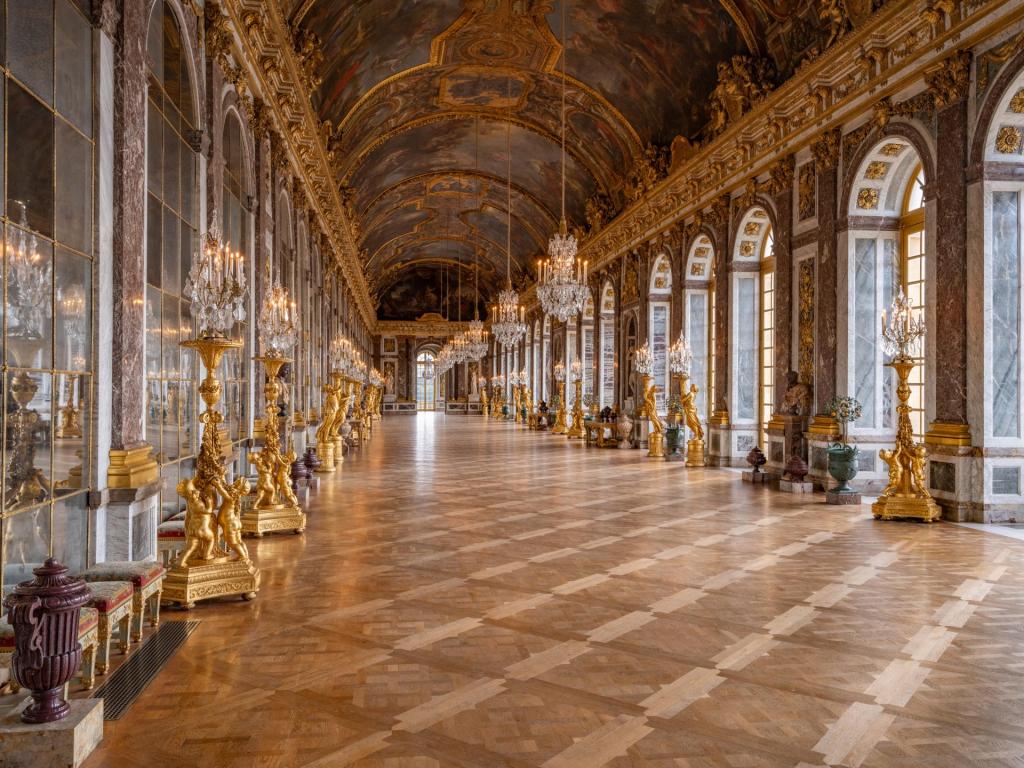
The Hall of Mirrors, again
In my last post, I wrote that the Hall of Mirrors was built between 1678 and 1684. We are seventeen years away from August 17, 1661, the day Nicolas Fouquet, France’s Superintendent of Finance, hosted a magnificent feast in honour of a young Louis XIV. As France’s Superintendent of Finance, Fouquet fully expected and was expected to replace Jules Cardinal Mazarin as First Minister of France.
King Louis XIV was twenty-two years old in 1661. So, he believed what Jean-Baptiste Colbert told him about Fouquet. He, Colbert wanted to replace Mazarin, so he defamed his rival. As Fouquet’s guest at Vaux-le-Vicomte, Louis was jealous and angry. Fouquet was too rich to own a château so beautiful that it was meant for a King. On September 5, 1661, d’Artagnan, of the four musketeers, arrested an unsuspecting Fouquet in Nantes.
The Treaties of Nijmegen
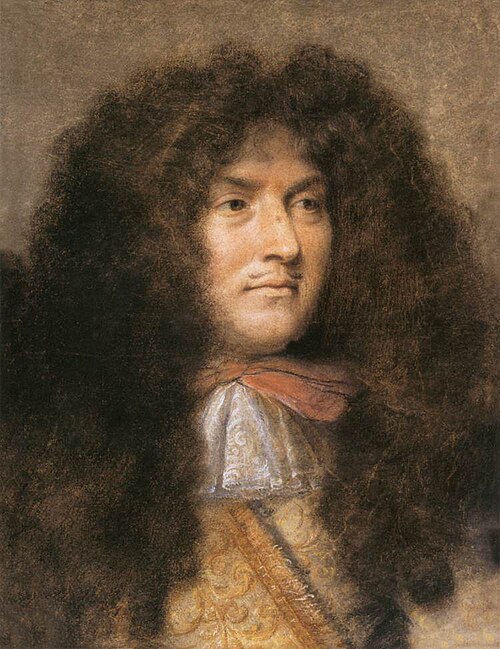
In 1661, Louis had yet to be considered a great king. This would not happen until the Treaties of Nijmegen were signed. In 1672, Louis declared war against Holland. The war would involve many parties. It was a European war as the Treaties attest:
The treaties ended various interconnected wars among France, the Dutch Republic, Spain, Brandenburg, Sweden, Denmark-Norway, the Prince-Bishopric of Münster, and the Holy Roman Empire.
The most significant of the treaties was the first, which established peace between France and the Dutch Republic and placed the northern border of France very near its modern position.
(Treaties of Nijmegen, Wikipedia)
Most importantly, Louis had attained the stature he lacked when he visited Vaux-le-Vicomte on August 17, 1661. Versailles could not have featured its exquisite “Hall of Mirrors” until Louis and other nations signed the Treaties of Nijmegen.
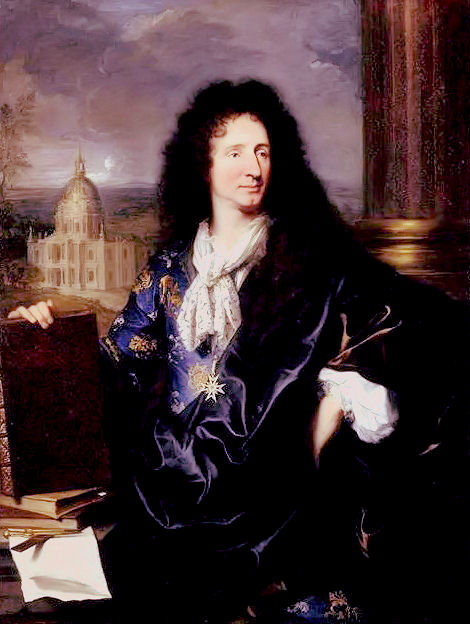
The Western sun, made Hardouin-Mansart’s “Hall of Mirrors” glitter. The Hallway, for it is a hallway, features 17 arched windows and doors on one side of the hallway and 17 recessed arches, each filled with 21 mirrors, on the opposite side. So the light bounces off 17 arches, filled mirrors. The total is an outstanding 357 mirrors, made in France, not Italy.
Hardouin-Mansart’s 357 mirrors, garnered in 17 arches, also reflected Charles Le Brun’s thirty paintings depicting the King’s military feats. Le Brun’s paintings constituted a powerful expression of Louis might after he became Europe’s foremost military leader.
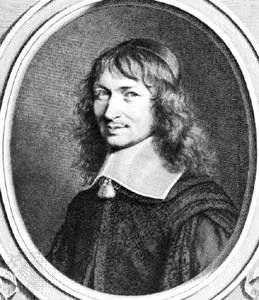
One wonders. Would a mighty king have condemned Fouquet to life imprisonment? In the 1670s, Nicolas Fouquet gained privileges that were denied him when he was driven to Pignerol. He could see members of his family. Fouquet died on March 23, 1680, when his son was visiting him. Fouquet « died just before a measure of clemency could be issued. » (Nicolas Fouquet, Britannica.) Construction of the Hall of Mirrors began in 1678.
In his Mémoires, Louis wrote:
In my heart I prefer fame above all else, even life itself.…Love of glory has the same subtleties as the most tender passions.…In exercising a totally divine function here on earth, we must appear incapable of turmoils which could debase it. (Louis XIV, Britannica.)
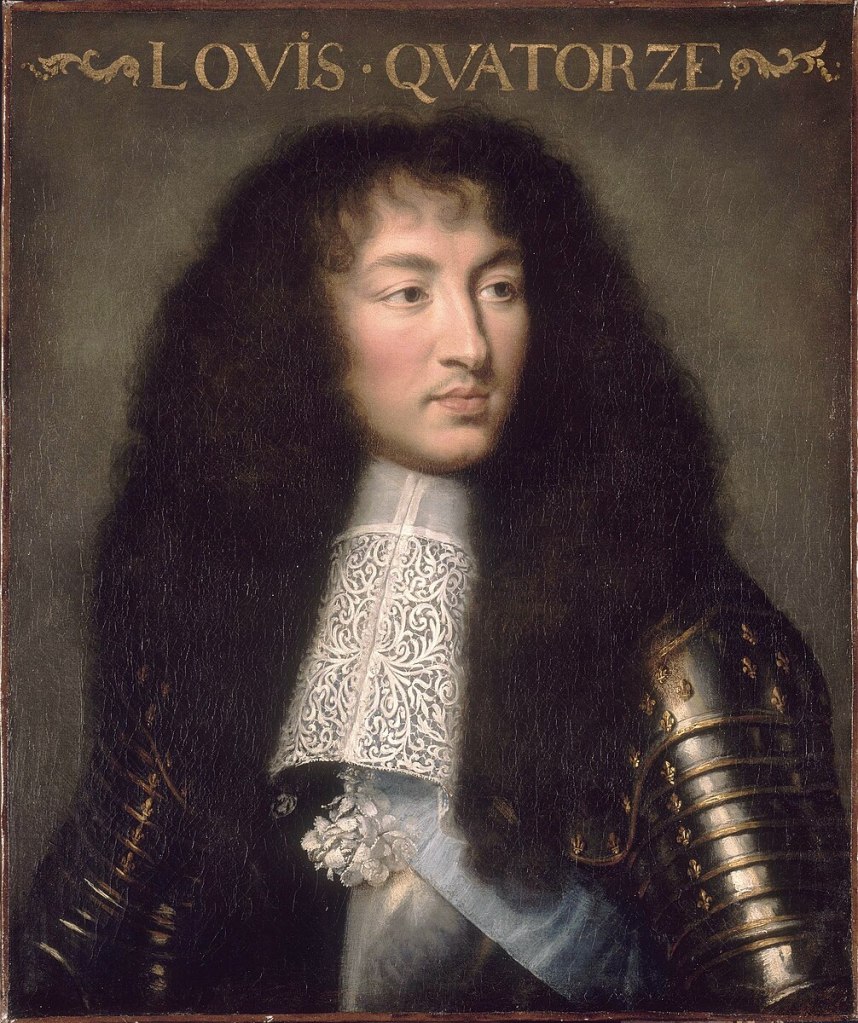
Louis in 1661, by Charles Le Brun
December 18, 2025
WordPress.com
 Micheline's Blog